Custom, Semi-Custom and Stock Cabinetry
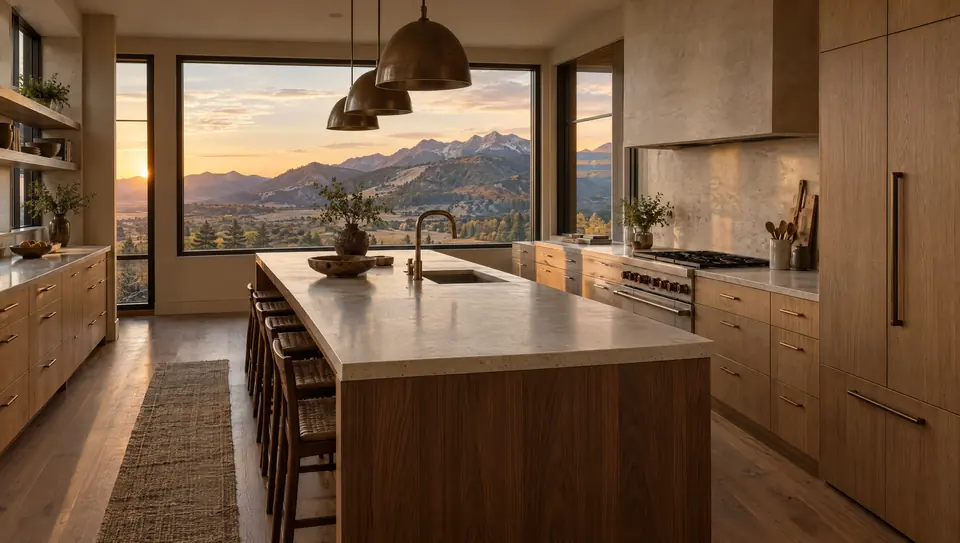
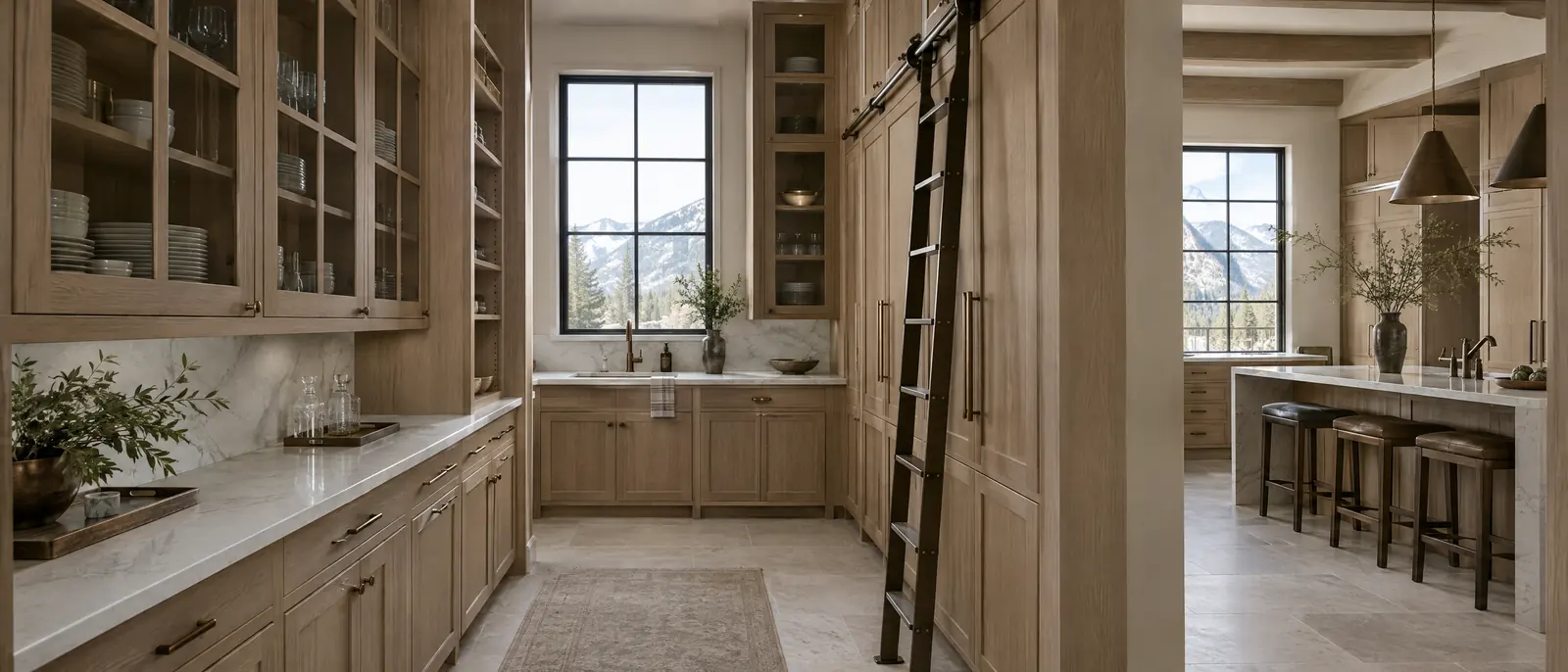
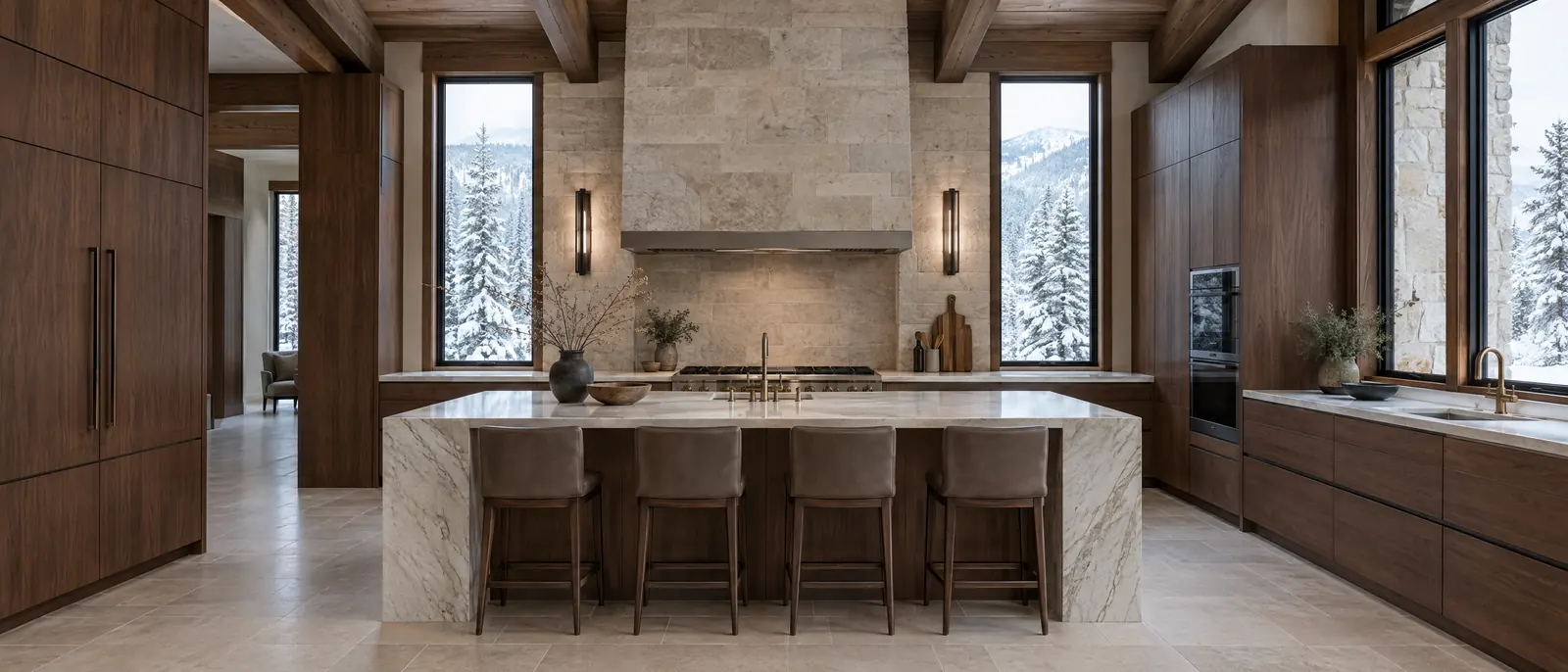
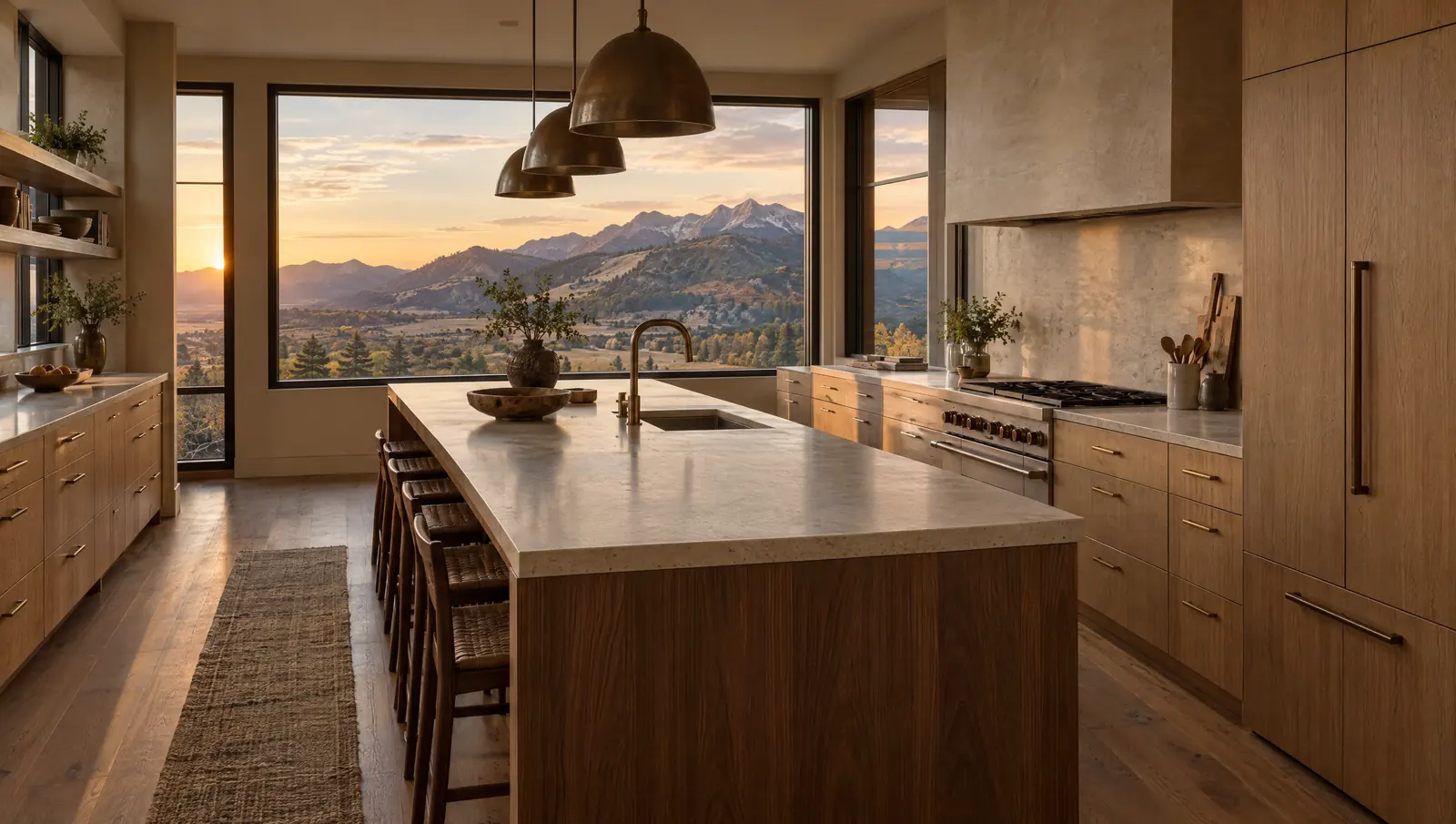
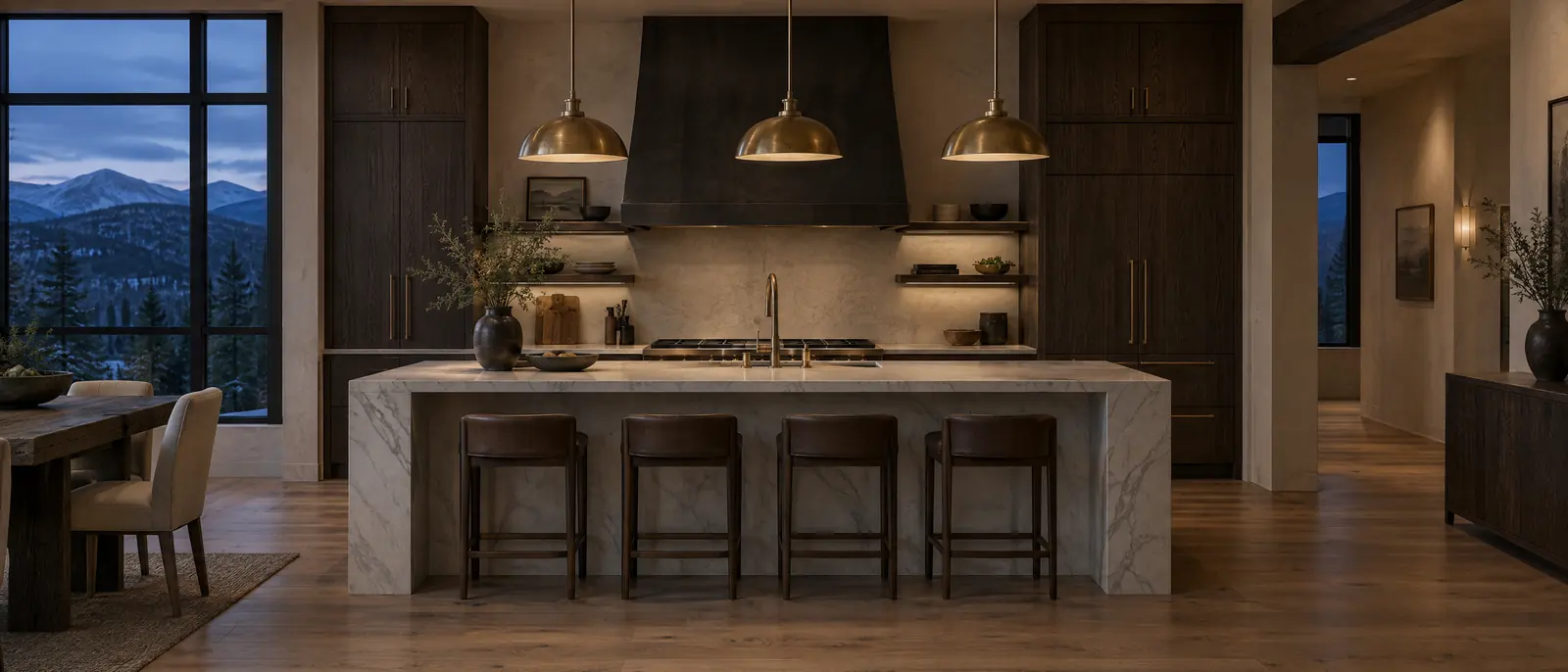
Custom kitchen cabinetry is built to the dimensions a room needs instead of the nearest standard size. That one difference changes how a kitchen looks at its edges: fewer filler strips against walls, cabinets that run cleanly to the ceiling, and islands sized to the aisles around them rather than to a catalog.
| Attribute | Stock | Semi-custom | Custom |
|---|---|---|---|
| Sizing | Fixed widths, usually in 3 in. steps | Standard boxes with some modifications | Built to the dimension the room needs |
| Doors and finishes | Limited catalog | Wider catalog | Specified per project |
| Fillers at walls | Common, sometimes wide | Smaller | Minimal, scribed to walls |
| Interior storage | Accessory add-ons | More choice | Designed around contents |
| Lead time | Shortest | Moderate | Longest |
One caution: custom sizing and construction quality are separate questions. A cabinet can be built to any dimension and still use a weak box, thin drawer sides or a soft finish. The construction section below covers what to specify so the word "custom" carries real weight.
Door Styles: Inset, Full Overlay and Frameless
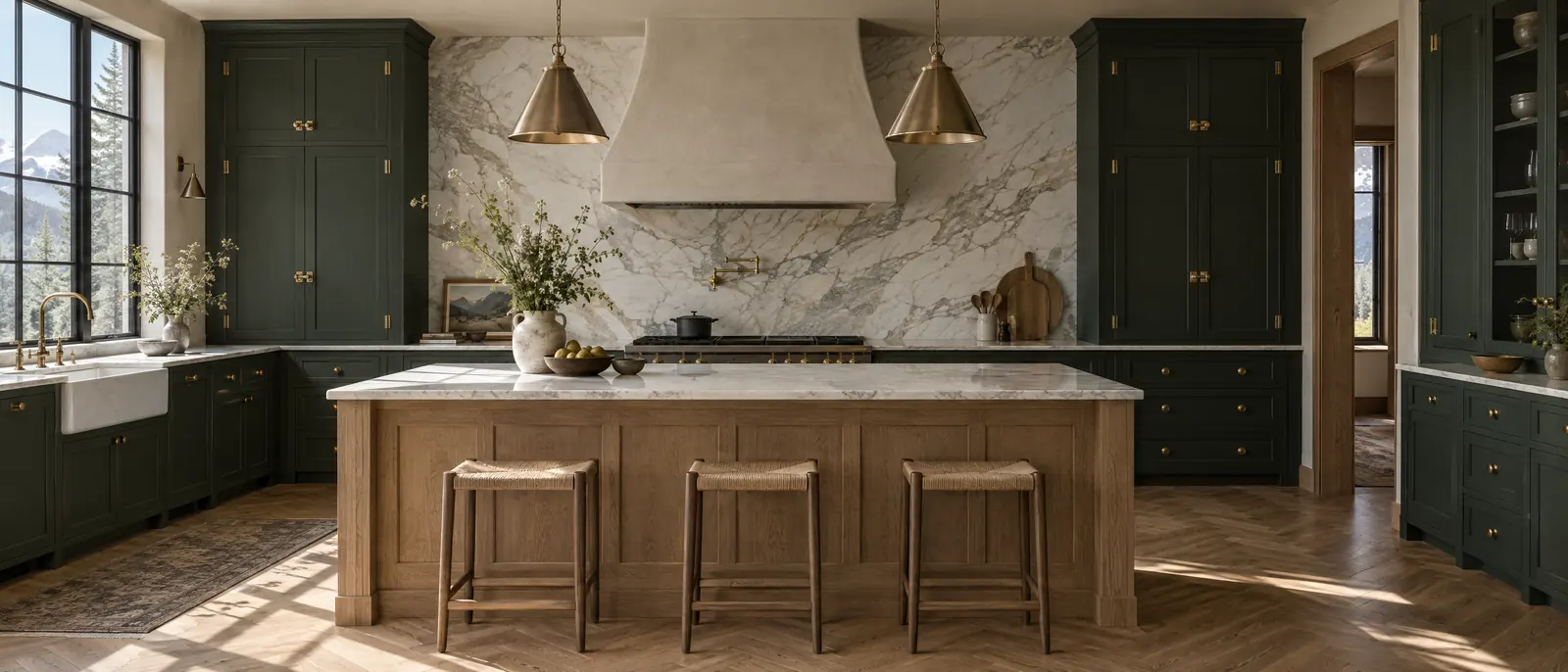
Cabinet style starts with one structural choice: whether the box has a face frame. A face frame is a solid wood border on the front of the cabinet. Doors either cover most of it (full overlay) or sit inside it, flush with the frame (inset). Frameless cabinets, often called European style, skip the frame entirely, and the doors cover the whole box.
| Style | Appearance | Construction | What to know |
|---|---|---|---|
| Full overlay | Doors cover nearly all of the frame | Face-frame box | Familiar look; the frame narrows drawers slightly |
| Inset | Doors sit flush inside the frame | Face-frame box, fitted by hand | Even reveals around every door; most sensitive to wood movement |
| Frameless | Doors cover the box with tight, even gaps | No face frame | Most interior access; clean, modern lines |
Inset is the most traditional and the most exacting of the three. Frameless suits contemporary rooms and gives the most usable drawer width. Full overlay sits between them. The right choice depends on the architecture of the house more than on trend; the kitchen design stage is where that gets decided.
What Separates a Well-Built Cabinet
Two cabinets can look identical on the day they are installed and age very differently. These are the specifications worth asking about.
Boxes
Furniture-grade plywood holds screws well and tolerates the occasional leak under a sink better than particleboard. MDF is dimensionally stable and paints smoothly, which is why it is often used for painted door panels.
Drawers and slides
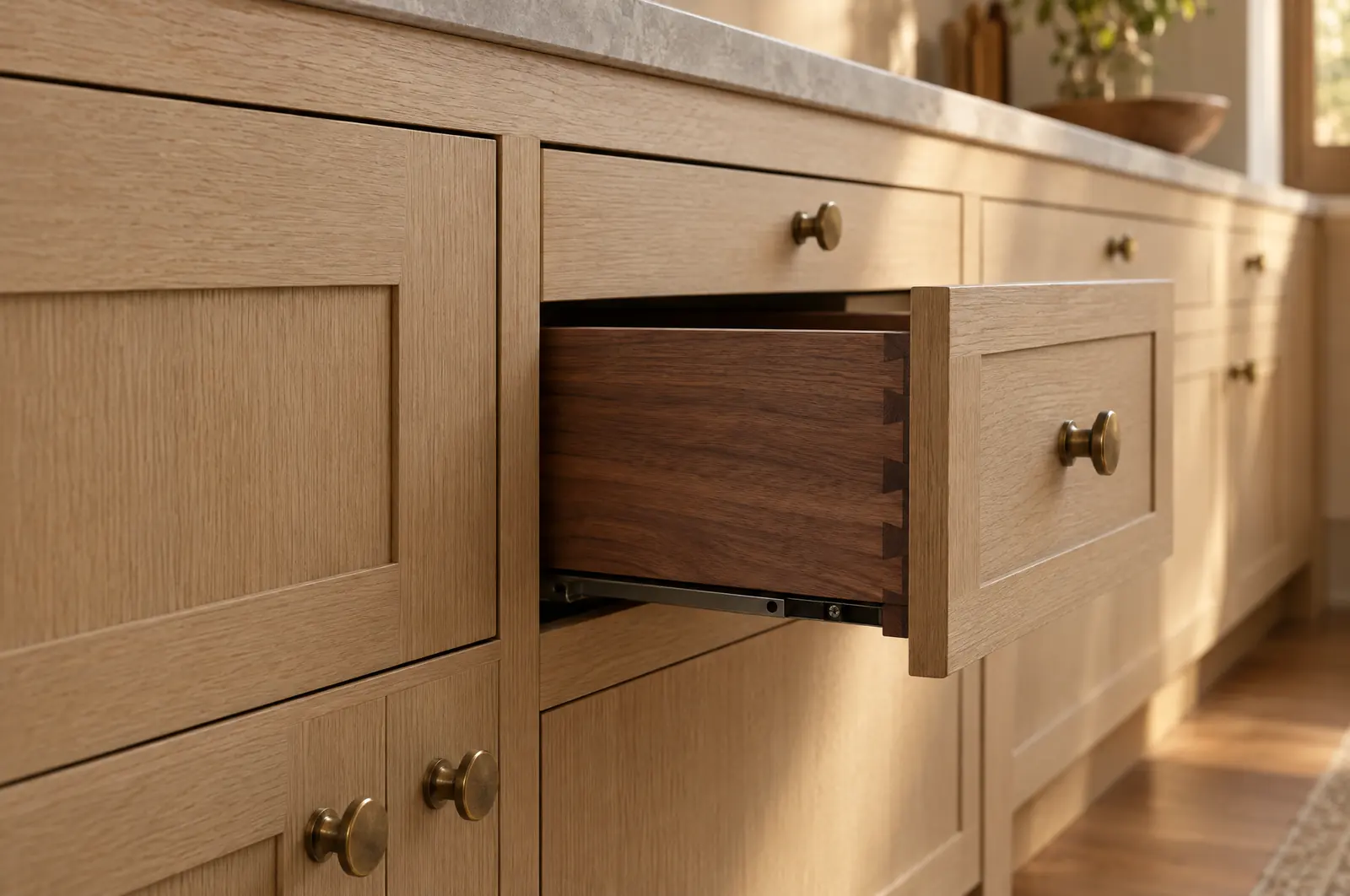
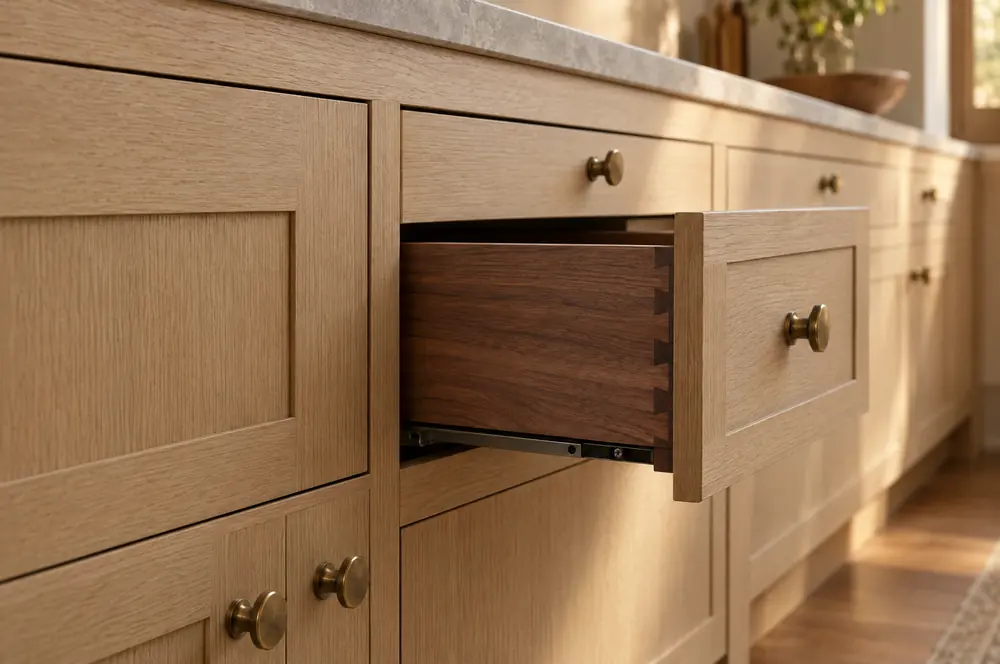
Look for dovetailed solid wood drawer boxes on full-extension, soft-close undermount slides. Full extension matters more than it sounds: three-quarter slides leave the back quarter of every drawer hard to reach.
Finish
Catalyzed finishes such as conversion varnish cure harder and resist kitchen cleaners better than standard lacquers. Ask what the finish is, not just what color it is.
Quality standard
The Architectural Woodwork Standards define Economy, Custom and Premium grades with specific tolerances for joints, gaps and flatness. Asking which grade a shop builds to is a quick way to compare bids on equal terms.
Where cabinet projects stall
Appliances change after the cabinets are drawn. Panel-ready refrigerators and dishwashers need exact panel sizes and hinge details, and a different model can mean a different opening. Old walls are rarely plumb and floors rarely level, so drawings made from the original plans miss what the room actually measures.
The fixLock appliance model numbers before shop drawings, and field-measure the room after drywall so cabinets are built to the real walls.
Wood Species and Cut
Species sets the color and grain. The cut sets how the grain reads and how much the wood moves.
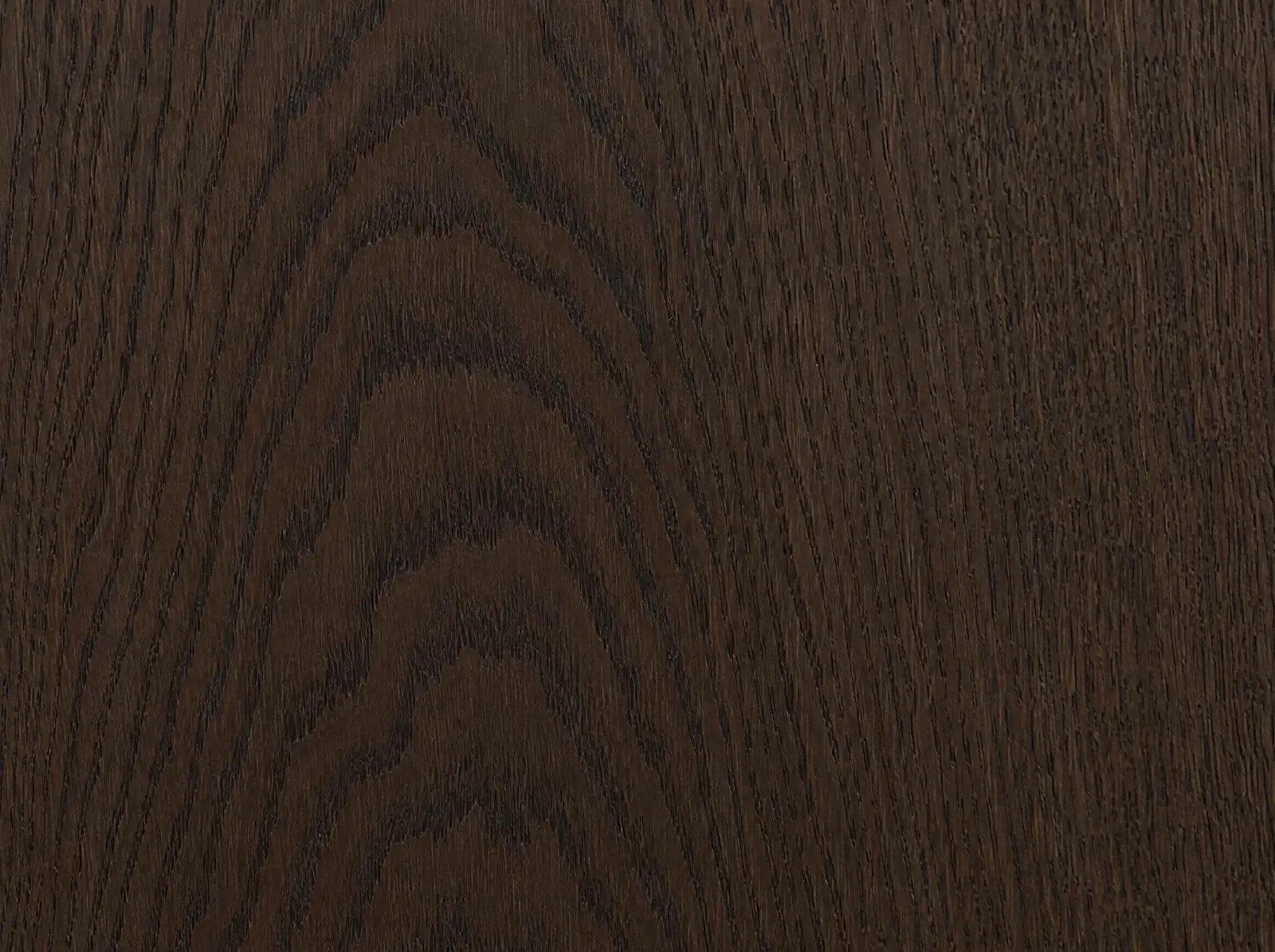
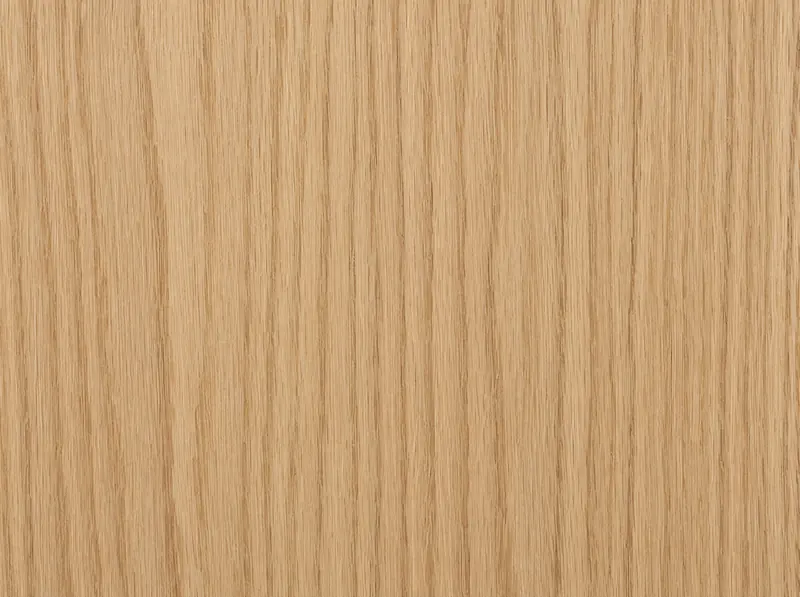
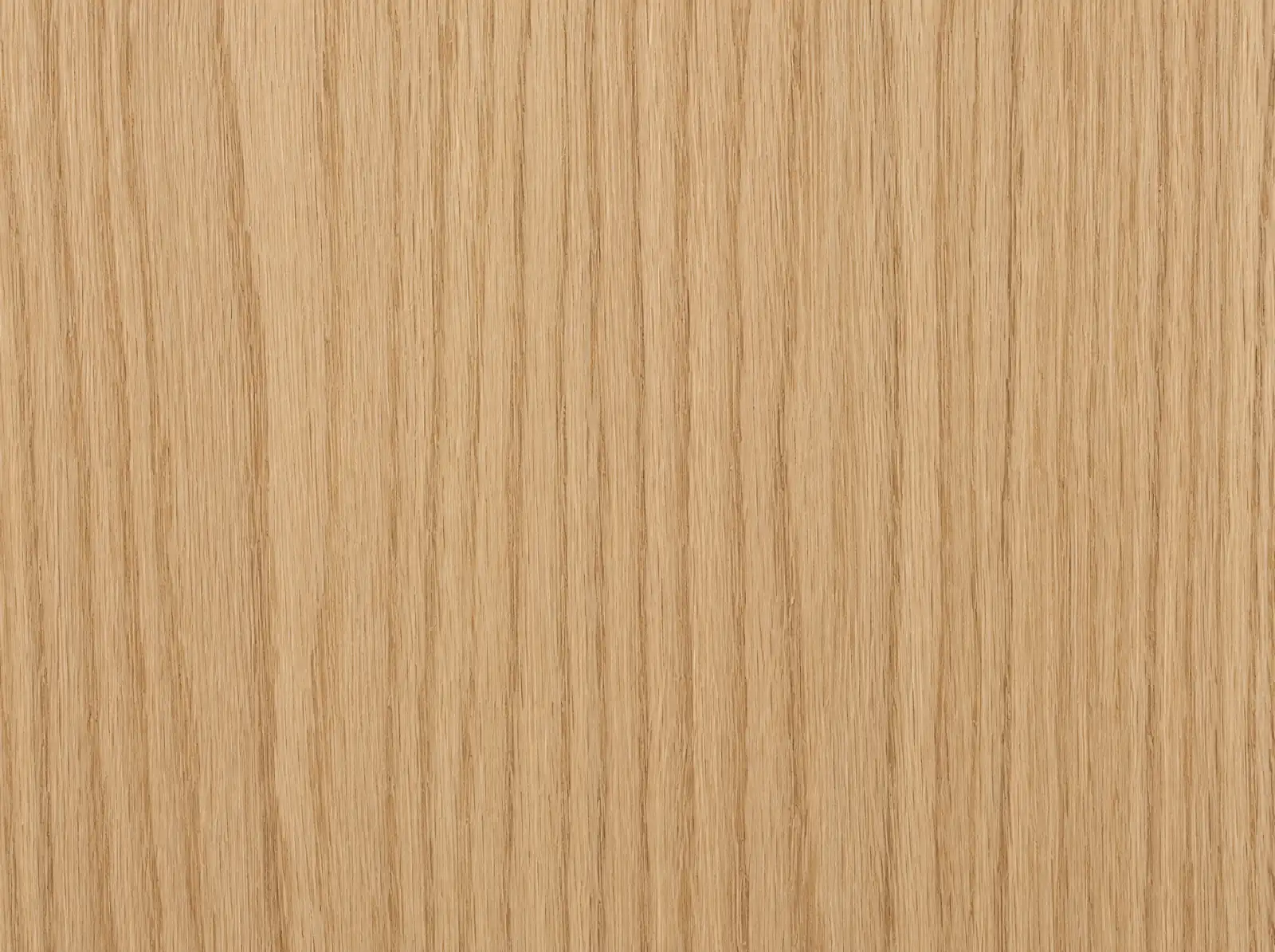
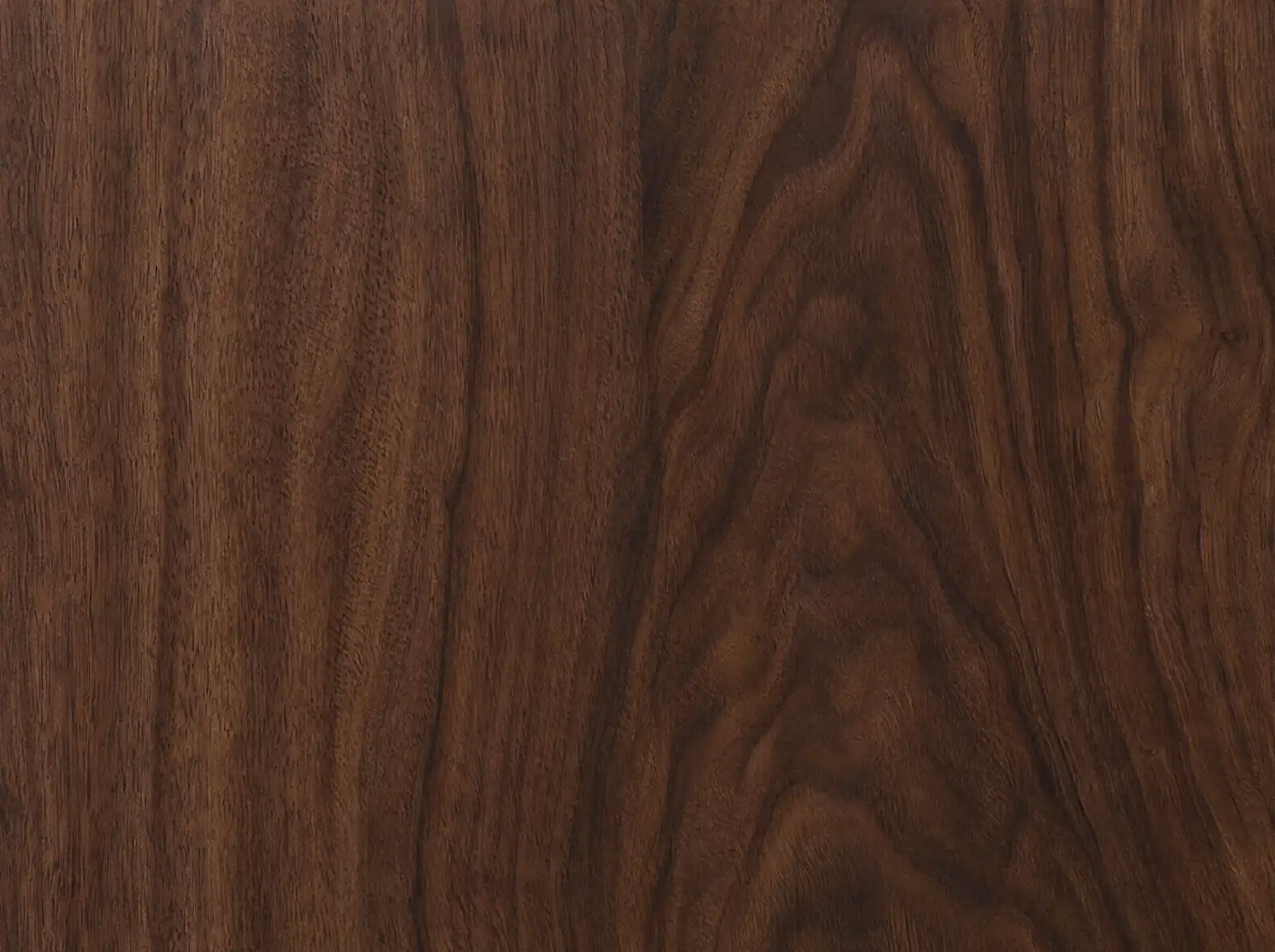
Rift-sawn white oak gives straight, linear grain with no ray fleck, and it is one of the most stable choices for long runs of doors. Quarter-sawn oak is cut at a slightly different angle and shows the shimmering fleck oak is known for, with similar stability. Walnut is deep brown and softer than oak, and it lightens toward honey after years of sun. For painted cabinetry, maple or MDF is the usual choice because both take paint smoothly.
Interior Storage Planned Around Contents
The most useful cabinet interiors are designed from an inventory: what you own, how often you use it, and where you stand when you reach for it.
- Deep drawers for pots and pansLower cabinets with doors make you kneel and reach; drawers lift everything into view.
- Vertical dividers near the ovenSheet pans, cutting boards and trays stand on edge where they are used.
- Trash and recycling at the prep sinkThe pull-out belongs where the scraps happen, not across the room.
- Tall pantry pull-outsFull-height shelving that slides out keeps dry goods visible from both sides.
- An outlet inside a drawerChargers and small devices stay off the counter.
Once the cabinetry is specified, installation follows the sequence on the kitchen remodeling page. To talk about your own storage, start with a project brief.
Custom Cabinetry Questions
What is the difference between inset and overlay cabinets?
Overlay doors sit on the front of the cabinet and cover most of the frame. Inset doors sit inside the frame, flush with it, with a small even gap all around. Inset takes more precision to build and is more sensitive to seasonal wood movement.
Is plywood better than particleboard for cabinet boxes?
Plywood holds screws better and handles moisture better, which matters most under sinks. Good particleboard is flat and stable but swells if it gets wet. Ask which material is used for the boxes, shelves and backs.
Why do painted cabinet doors crack at the joints?
Five-piece doors are made of separate solid wood parts, and wood expands and contracts with humidity. Paint bridges the joint, so movement shows as a hairline crack. It is normal wood behavior; MDF panels or one-piece MDF doors reduce it.
Which wood is most stable for kitchen cabinetry?
Rift-sawn and quarter-sawn white oak are among the most stable cabinet woods because of how the grain is oriented in the board. Stability also depends on steady indoor humidity, which matters in Colorado's dry winters.
Can new cabinetry match existing millwork in the house?
Matching depends on documenting the door profile, species and finish of the existing work. Ask for a sample door finished on the same species and compare it in the room before approving the order.
Custom Cabinetry From Colorado Springs to Fort Collins
Dry winters affect solid wood from one end of the corridor to the other, but older homes, newer builds and local permit offices differ by city. Pick a community below, or see the full service area.